
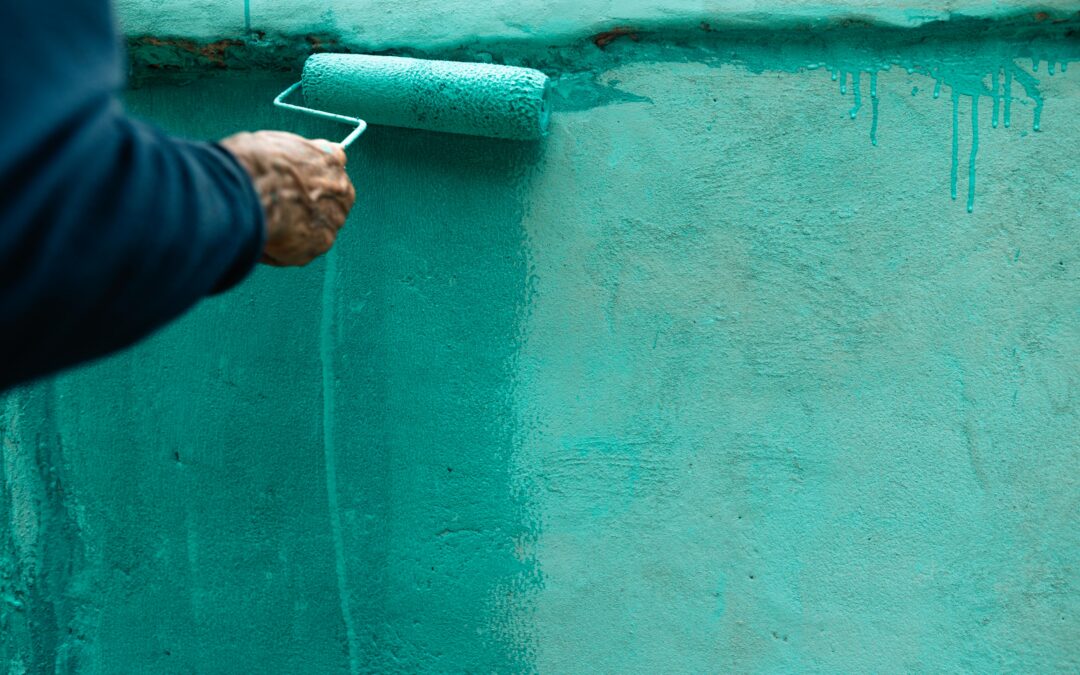
Can you paint a gunite pool? The short answer is yes. Yes you can. But it is usually a short-term fix, and it can create extra work later if you decide to resurface the pool properly. Before you commit, it helps to understand what pool paint can (and cannot) do, how long it tends to last, what it costs, and what the process looks like from start to finish.
Key Summary
- Yes, you can paint a gunite pool, but paint is typically a shorter-lived coating compared to resurfacing with plaster or aggregate.
- Common lifespan estimates for pool paint range from about 2 to 7 years, while plaster is often cited around 15 to 25 years when installed and maintained well.
- Typical painting costs often land around $1.87 to $2.21 per square foot (labor and site conditions can change this).
- Many epoxy paint guides recommend waiting about 5 to 7 days (or more) after the final coat before filling the pool, depending on product and conditions.
- If you paint now and resurface later, the old paint often needs to be fully removed first, which can add cost and time to a renovation.
- Paint frequently requires the pool structure to be completely dry for a number of days and in environments with water conditions this can become difficult
- If you want to plaster in the future keep in mind that plaster cannot go over paint and paint removal can be expensive.
What “painting a gunite pool” actually means
Gunite is the structural concrete shell of the pool. Paint does not repair or strengthen that shell. Pool paint is a coating applied over an existing surface (often plaster, marcite, or concrete) to change the color and improve appearance for a period of time.
It is important to say this clearly: paint is not the same as resurfacing. Resurfacing replaces the interior finish. Painting puts a coating on top of what is already there. Pools that are painted still need to be plastered prior to painting
If you are already seeing rough spots, widespread cracking, delamination (hollow areas), or ongoing surface dust, painting is often the wrong tool. In many of those cases, you are better served by a more comprehensive repair of the pool itself. That is where a pool renovation is the better fit.
When painting a gunite pool makes sense
Painting can be reasonable when the underlying surface is structurally sound, and you want a temporary cosmetic refresh.
These instances include:
- The plaster is stained but still solid and well bonded.
- You are planning a larger remodel later, and you need a short-term improvement now.
- You understand you may need to repaint in a few years.
Common “do not paint this” situations:
- The surface is flaking, popping, or hollow in multiple areas.
- Cracks keep returning, or you suspect movement.
- You want a long-term finish, not a short-term coating.
How long does pool paint last on gunite?
Real-world lifespan depends on product type, surface prep, pool chemistry, sun exposure, and how the pool is used.
Many pool industry sources cite something like 2 to 7 years for paint (depending on paint type and conditions), and around 15 to 20 years for plaster when installed and maintained properly. It will be difficult to hire a knowledgeable company that will warranty the paint job for more than 1 season.
Even if you choose a higher-performance option like epoxy, many manufacturers and installers still frame paint as a coating you should expect to redo over time, not a one-and-done interior finish.
What type of paint is used for pools?
Epoxy pool paint
Epoxy is often discussed as a more durable pool paint option. Some sources cite epoxy paint lifespans in the 5 to 10 year range in ideal conditions, but results vary based on prep and water balance.
Acrylic pool paint
Acrylic coatings are commonly positioned as easier to apply and faster curing, but often less durable than epoxy. Cure-time guidance varies by product, but some manufacturer instructions cite about 3 days at around 65°F for certain acrylic systems.
Rubber-based paints
These show up in older pools and can complicate repainting because compatibility matters. If your pool has been painted before, identifying the existing coating is a big deal. (Putting the wrong paint over the old one can cause peeling.) Some epoxy product documentation specifically calls out compatibility testing on previously painted pools.
How long does it take to paint a gunite pool?
Most of the timeline comes down to prep and cure time.
- Prep and repairs: often a few days, sometimes longer if the surface is in rough shape.
- Painting: commonly 1 to 2 days depending on coats and recoat windows.
- Cure time: often several days before refilling, commonly cited around 5 to 7 days for epoxy systems (product dependent). :contentReference[oaicite:10]{index=10}
So a realistic planning window for many homeowners is about 1 to 2 weeks from drain to swim, depending on weather, humidity, and surface condition.
How much does it cost to paint a gunite pool?
Costs vary by pool size, surface condition, paint system, labor rates, and how much prep is needed. But you can still set expectations.
One current cost calculator estimates the basic cost to paint a pool at about $1.87 to $2.21 per square foot (as of January 2026), with variability based on site conditions and options.
If you do not paint, what are the better long-term options?
Most long-term interior solutions fall under resurfacing, such as plaster, quartz, or pebble finishes. Plaster is often cited around 15 to 25 years when properly installed and maintained, which is why many builders treat it as the baseline long-term finish compared to paint.
What homeowners usually pair with a gunite pool refresh
Even if the initial question is “can you paint a gunite pool,” many homeowners also want to improve the space around the pool while it is drained and accessible. Decking, coping, patios, and hardscapes are common add-ons during renovation work.
And if your biggest concern is keeping a new surface looking good for as long as possible, water care matters. Ongoing pool maintenance.can prevent avoidable wear and staining.
How to decide: paint vs resurfacing
If you want the simplest decision rule, use this:
- Choose paint if you want a short-term cosmetic refresh and the surface is sound. And you are ready to do the job every 2 years. Do not do this to try to sell a house faster, as if an inspector notices the pool is painted, that can raise red flags to new buyers.
- Choose resurfacing if you want a longer-term finish, or the surface is failing in multiple places.
If you want SSG Pools to look at your pool and give a clear recommendation based on what they see (not just a guess based on photos), and contact us to schedule a visit.
Frequently Asked Questions
Can you paint a gunite pool?
Yes. You can paint a gunite pool, but pool paint is a coating, not a true interior finish replacement. It is usually considered a shorter-term option than resurfacing and typically not recommended by pool builders
How long does pool paint last on a gunite pool?
Many pool industry sources cite paint lifespans in the 2 to 7 year range depending on paint type, prep, and water balance. Plaster is often cited around 15 to 25 years when properly installed and maintained.
How long do you have to wait before filling the pool after painting?
It depends on the product, temperature, and humidity. Many epoxy paint guides recommend waiting about 5 to 7 days after the final coat before filling, and some note longer cure times in certain conditions.
If my pool is already painted, can it be resurfaced later?
Usually, yes, but the paint often needs to be completely removed before a new plaster or aggregate finish can bond properly, which can add cost and time to the renovation.
Can I drain my own pool to replaster or paint it?
When draining a pool there is a chance of a high water table causing the pool to lift or pop out of the ground. Pool contractors know the signs to look for prior to draining, understand how to relieve the pressure and carry insurance to cover them in case something does go wrong. Trying to save some money on a DIY project can end up costing you your pool.