
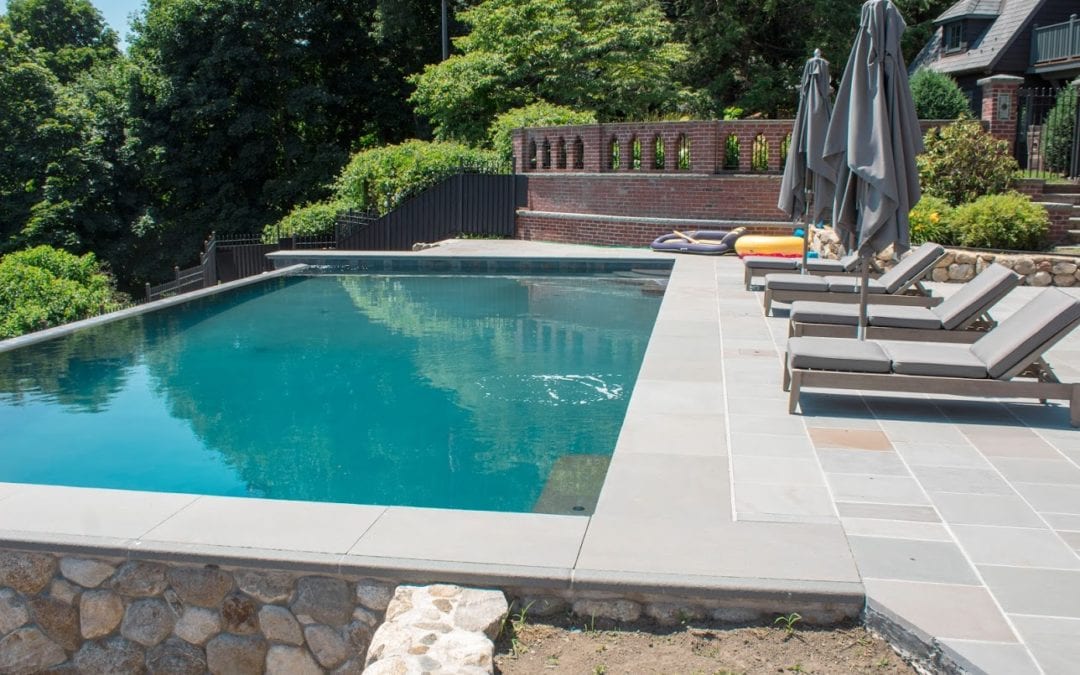
Determining when to replaster your gunite pool is essential to preserve its condition. This article cuts through the confusion, pinpointing definitive signs that your pool requires replastering. We’ll guide you in assessing your pool’s needs, selecting appropriate materials, and executing the replastering process for long-lasting results.
Key Takeaways
- Gunite pools generally require replastering every 15 to 25 years, with water chemistry being the number 1 reason for needing to replaster earlier than typically expected
- The choice of plaster material is critical, with options like standard white plaster, quartz, pebble, and offering various levels of durability, aesthetic appeal, and suitability for different climates and pool usage patterns.
- SSG Pools provides expert refinishing services and offers a comprehensive warranty on their work, reflecting their commitment to quality craftsmanship and customer satisfaction.
Understanding the Need for Replastering

Everyone wants their pool to last as long as possible. Replastering a pool helps ensure that your investment lasts as long as possible. The question arises, when should one consider replastering their pool? Whether it’s pitting, calcium buildup, or any other sign of your pool showing its age, replastering is necessary to bring your pool back to prime condition.
Acknowledging these indicators and understanding how water chemistry influences the wear and tear on plaster will guide you towards making a well-informed decision about when to undertake replastering your pool
Signs It’s Time to Replaster
Over time, similar to how a painting might lose its vibrancy, the plaster in your pool can start showing signs of aging and damage such as cracks in the plaster. Keep an eye out for certain warning signs that include:
- Pitting
- Surface wear
- Delaminating
- Calcium buildup
- Checking
- Chemical damage
Should you come across any of these symptoms, it’s likely time to think about repairing or updating the surface with new pool plaster.
These visual cues do not only take away from your pool’s aesthetic appeal, but also suggest that there could be deeper issues at play which may necessitate giving your swimming pool a refresh by replastering.
The Impact of Proper Water Chemistry
Preserving your pool plaster surfaces extends beyond the excellence of installation or material quality. It encompasses controlling the water chemistry within which it resides. Proper management of your pool’s pH, alkalinity, and calcium concentration can markedly prolong the life expectancy of its plaster surfaces. Enhancing standard plaster with silicon additives and pozzolans fortifies against chemical damage from pool maintenance products and external environmental pressures but does not alleviate the need for good water chemistry.
Technological progress has simplified this conservation process. For instance, automated pH/ORP control systems now facilitate easier regulation of water chemistry. This innovation minimizes manual intervention required to maintain balance in a swimming pool’s ecosystem.
Low PH water can eat away at the plaster finish and cause pitting. Low calcium in the pool water can pull calcium out of the pool plaster causing the plaster to become more susceptible to wear, high PH causing scaling build up which makes the plaster rougher, ultimately water chemistry is very important.
When’s the best time to replaster your pool?
Considering various elements, what’s the best way to determine the right time for replastering your pool? The lifespan of existing plaster is a significant consideration. On average, gunite pools often need new plaster every 15 to 25 years.
To make an informed decision on when to replaster, it’s essential to gauge the age of your current plaster, look out for signs of deterioration and maintain proper water chemistry balance.
Selecting the Right Plaster Material

Upon realizing the necessity to replaster, one must carefully choose the suitable plaster material. This choice is shaped by considerations like durability, environmental conditions, and visual preference. The array of materials includes:
- standard white plaster
- colored plaster
- quartz plaster
- pebble plaster
- glass bead plaster
Choosing an appropriate type not only amplifies your pool’s beauty, but also contributes to its longevity.
SSG Pools demonstrates their dedication to excellence and client satisfaction through their selection of superior materials such as pebble interiors which surpass conventional plasters in terms of service life.
Standard White Plaster vs. Advanced Options
Pool owners frequently grapple with the decision to select either standard white plaster or explore more sophisticated alternatives for their pool interiors. Standard white or gray plaster is a blend of white cement and crushed marble, which provides an economical choice for lining pools. Conversely, advanced finishes such as quartz and pebble provide a vast selection of textures and hues that enable personalization of the pool’s look.
Finishes made from quartz and pebbles exhibit greater resilience and have better resistance against chemical reactions and discoloration. This robustness makes them supremely suitable for enduring diverse weather conditions and extensive use.
Regular plaster is really just a white finish, the plaster can be died different colors but due the the natural effects of cement during hydration/ curing the colors for white plaster can end look looking very irregular with darker spots and lighter spots so if color is a real desire we offere the pebble finishes that relay on the color of natural stone to maintain the finish color instead of dies alone.
Tailoring Material to Pool Usage and Climate
Selecting the appropriate plaster material depends on several specific considerations. These include how often the pool is used, the desired color the level of sun exposure it receives. Do you want the pool to reflect the background or do you want to easily see into the water?
For example, when compared to standard white plaster for pools, quartz plaster stands out due to its enhanced durability against chemical fluctuations and less susceptibility to staining and algae proliferation – making it an outstanding choice for extended lifespan benefits.
The Role of Aesthetics in Material Selection
The visual appeal of materials is just as crucial as their durability and ability to withstand the elements when it comes to selection. The spectrum of color options for pool finishes extends from traditional blues to elegant blacks golds and greys, offering you an opportunity to either elevate or completely revamp the look of your outdoor area. Enhanced choices such as pebble finishes offer a unique quality by altering their appearance based on the depth of the pool, thus crafting an environment that is both dynamic in visuals and inviting.
The Replastering Process Unveiled
Understanding the necessity of replastering, along with the factors influencing the choice of materials, it is crucial to delve into the specific steps involved in redoing a pool’s plaster. The procedure usually encompasses five distinct phases.
- Initial preparation
- Preparing the surface
- Applying plaster
- Final touches
- Allowing for curing
Though this sequence might seem complex, having a thorough knowledge of each phase will ensure that your effort in replastering yields positive results.
Preparing for Replastering
In the initial stage of reapplying plaster, the pool must be prepared. The steps are as follows:
- Emptying out all water from the pool
- Rigorous cleansing to remove any debris, dust particles, or accumulated dirt we typically use a highly caustic acid to desolve any unwanted blemishes
- Removing current plaster layers where there is evidence of damage such as cracking or detachment to guarantee that the fresh plaster adheres securely.
After draining and getting rid of old plaster layers, a chemical/ mechanical bonding agent is applied to the old pool. This material chemically bonds to the hold plaster and create a very rough surface for the new plaster to adher to.
Applying the Coats
Once the pool surface is prepped, we begin with the plastering phase. The first step involves coating the clean surface of the pool with a bond coat to ensure that new plaster firmly adheres. Starting at a convenient location and progressing around the pool., we apply our initial layer of plaster and knock it down with a trowel.
Immediately after the scratch cote the final coat is installed, if you don’t watch carefully you may miss the switch to the final coat. When the coats are down and troweled smooth the team waits for the material to setup then gets back in the pool and performs a hard trowel which securely seals the concrete surface making the plaster extra durable.
Final Touches and Curing Time
Upon completion of regular white plaster pool water is added immediately to help the curing process. As soon as water is in the pool you can jump in, just avoid lots of use as we need to wait 3 days to add chlorine and the water will likely be very cold as we need to wait 2 weeks to turn the heater on and finally after 28 days the plaster is 100% cured.
With pebble finishes the day after the finish is installed an wash crew comes back to use specialized chemicals to reveal the shine of the pebble stone finish and then water is added. The 3 days before chlorine and 2 weeks before the heater can be used still applies.
Enhancing Pool Longevity Through Maintenance
Ensuring your pool remains in top condition, which is both aesthetically pleasing and reduces the frequency of resurfacing requirements. Regular maintenance that includes consistent inspections and the upkeep of balanced water chemistry can extend the durability of your pool’s plaster.
In this segment, we will delve into particular facets of pool maintenance that contribute to prolonging the life span of your pool’s plaster.
Routine Inspections and Care
Consistent monitoring and maintenance are crucial for the upkeep of a pool. Enlisting expert services can be instrumental in early detection and intervention for issues related to plaster, averting expensive repairs or the replacement of machinery. It’s important to keep up with daily removal of debris as well as weekly cleansing of strainer baskets and filters, which is vital for preserving water purity and optimizing system performance. Taking preventative measures like keeping sharp or hefty items away from the pool helps protect against scratches or other damage to its plaster surface.
It’s equally important to maintain the area surrounding the pool—hosing it off the patio away from the pool (never into the pool), brushing the pool walls weekly to reduce the chance of scale or algae, and cleaning off any decks—to stave off accumulation of dirt, grime, algae formation or calcium deposits that could potentially harm both its appearance and function.
Balancing Water Chemistry
It is essential for the longevity of pool plaster to keep water chemistry within proper balance. This necessitates routine assessments of various levels such as:
- pH and chlorine
- Total Alkalinity (TA)
- Calcium Hardness (CH)
- Total Dissolved Solids
To ensure that the pH stays between 7.2 and 7.8, with a chlorine level at around 1 ppm, professional guidance suggests carrying out these tests on a weekly basis. During busy periods it’s advisable to check both chlorine and pH multiple times per week – up to two or three and more under heavy usage. Swimmers create the need for more chlorine, heavy rain storms or drought periods where water is added a lot will increase the demand for other chemicals due to new untreated water being added to the pool.
Implementing regular superchlorination or ‘shocking’ procedures can effectively remove harmful bacteria and organic impurities from the water, thereby keeping your swimming environment clean and hygienic. Consistently adjusting your pool’s chemical makeup is critical in averting damage to its plaster surface while simultaneously prolonging its serviceable life.
Why Choose SSG Pools for Your Replastering Needs
SSG Pools is renowned for its exceptional replastering services, establishing itself as a trustworthy option. Consider the following reasons why:
- The company boasts an extensive background within the pool sector.
- Their specialized team delivers professional replastering expertise.
- They possess years of experience that spans across decades.
- A dedication to delivering quality workmanship stands at their core.
- All work is performed by SSG employees with no use of subcontractors
To understand why SSG Pools should be your top choice for replastering needs, let’s delve deeper into these qualifications.
Decades of Experience at Your Service
SSG Pools has a substantial legacy in the field, indicating years of active participation and skill-building. Their long-standing experience implies that they have acquired considerable proficiency in crafting pools as well as in the replastering process, guaranteeing high-quality service delivery.
Commitment to Quality and Satisfaction
SSG Pools is committed to providing top-notch services and achieving customer delight in every replastering task they undertake. Their dedication towards excellence is embodied in their distinct Partnership in Excellence Warranty program, which demonstrates their commitment.
This warranty serves as a promise to clients, ensuring that the outcomes of SSG Pools’ work will either fulfill or surpass the expectations set by customers.
Scheduling Your Replastering Consultation With SSG Pools
Are you prepared to provide your pool with the attention it needs? Arranging a replastering session with SSG Pools is just one phone call away. Simply dial 800-649-8080 to connect immediately for prompt support.
SSG Pools prides itself on offering tailored consultation experiences designed around your unique requirements. The professional team at SSG pools stands ready and equipped to guide you through every stage, whether it involves fielding special requests or advising on the selection of appropriate plaster materials for your pool.
Summary
To sum up, it’s imperative to take the upkeep of your gunite pool seriously in order to preserve its beauty and lifespan. Replastering on a regular basis is essential for maintaining your pool, and this should be done when wear signs become evident or as dictated by the chemical balance of the water. It’s important to select an appropriate plaster material and adhere to a consistent routine of inspection and maintenance to extend the life span of your pool. For expert replastering services, SSG Pools stands out with its years-long track record in quality workmanship—so don’t hesitate until damage becomes noticeable. Instead, proactively safeguard your investment now for sustained enjoyment.
Frequently Asked Questions
What are the signs that my pool needs replastering?
When visible indications such as discoloration, a rough texture, or signs of wear become apparent, along with other signs like outdated or visibly deteriorated plaster and widening or diagonal cracks on uneven wall surfaces, it’s an indicator that your pool may need replastering.
What is the difference between plaster and a pebble finish?
Plaster is just a white mixture of white sand and white cement with some proprietary ingredients that help with installation and durability.
Pebble is a pool finish that contains thousands of small stones which end up being the majority of the pool surface that is seen. Pebble is more durable because its literally nature trying to wear away at small rocks instead of a cement mixture and rocks are substantially more durable than cement is. The pebble finish also allows almost any color to be possible.
How often should I replaster my pool?
It is essential to consider replastering your gunite pool within a timeframe of 15 to 25 years. The precise timing for this maintenance task depends on various elements, including the water chemistry, how often the pool is used, and different environmental conditions.
Regularly keeping an eye on these aspects can help you gauge when it would be most appropriate to undertake the process of replastering your pool.
What factors should I consider when selecting plaster material for my pool?
When choosing plaster for your pool, it’s important to take into account aspects like the longevity of the material, regional climate conditions, visual preferences, how frequently the pool will be used, and local weather patterns. Taking these considerations into account will guide you in finding an appropriate plaster selection for your swimming pool.